
- Made by hand
- One piece at a time
- Finished at the bench
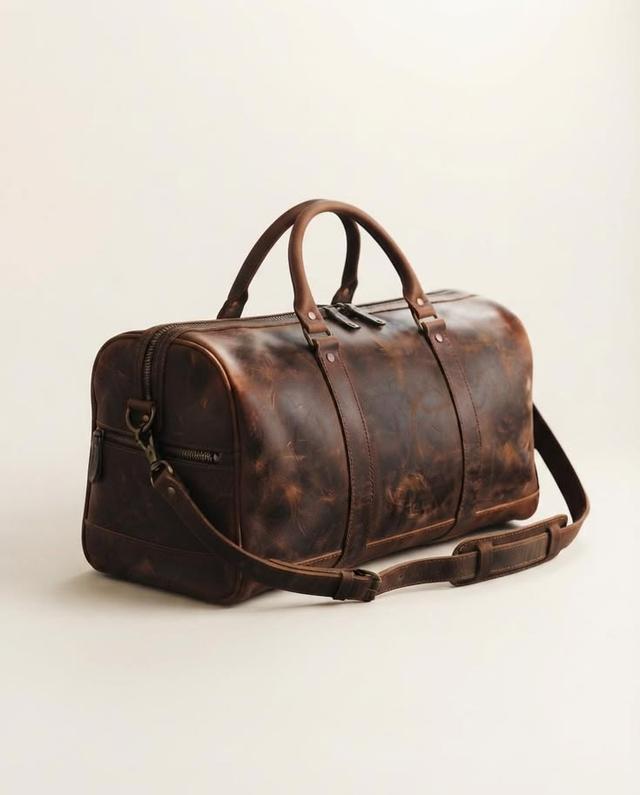
- Built to be carried
Best sellers
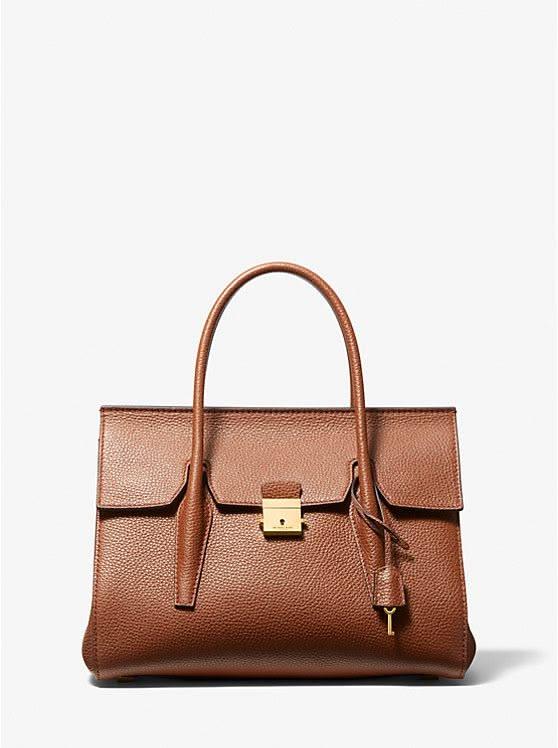
What is moving this week
A Few Figures On What We Do Here
Every figure here reflects the same commitment: to the craft, to the hours, and to the people who trust QUANTIVO to make something that lasts.
See the catalogue- Years of experience
- —
- Customers served
- —
- People at the bench
- —
- Orders delivered
- —
The four trades
Four crafts, cut, stitched and set by hand
Four trades under one roof. The leather is worked one piece at a time and the stones are set at the same bench, rather than sent out and shipped back.
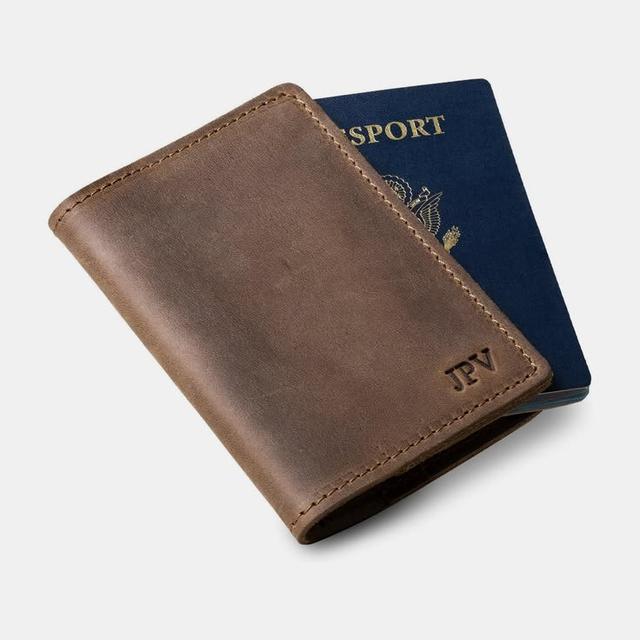
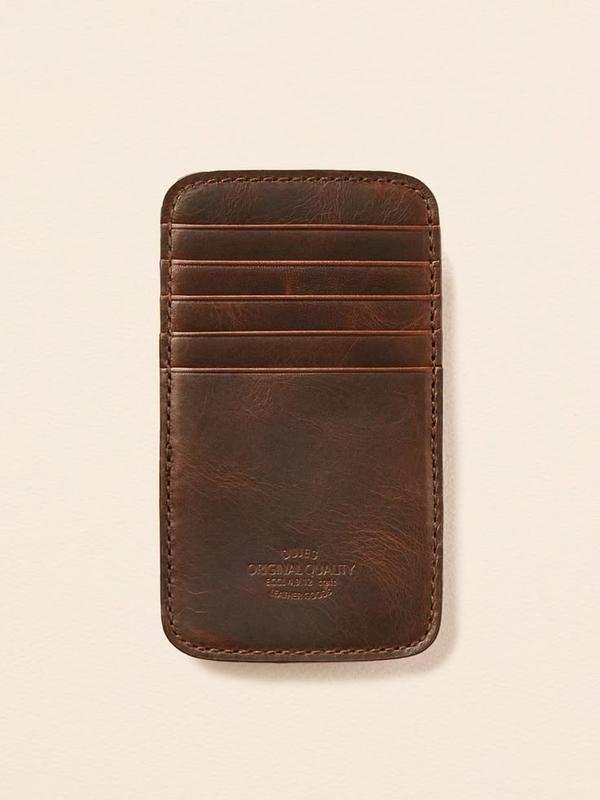
Leather wallets
Bifolds, card sleeves and folios that close flat from the first day.
Watch straps & bands
Straps cut and stitched to the lugs you have, one pair of hands at a time.
Book covers & stationery
Covers, journals and desk leathers — the things a book travels in.
Jewelry
Rings, pendants and studs, set one at a time at the bench.
The lookbook
See the catalogueNew in
The most recent things off the bench
Four Things Happen Here, And All Of Them Are Slow
Everything QUANTIVO sells is cut, stitched and finished by one pair of hands, and marked before it leaves the bench.
- 01
Select
A whole vegetable-tanned shoulder, chosen by hand. Grain and thickness vary across one hide, so where a panel is cut from is a decision.
- 02
Cut
Struck against a card pattern, then skived where two layers meet. Half a millimetre is the difference between a fold and a crease.
- 03
Stitch
Two needles, one waxed linen thread, every hole made with an awl. Slower than a machine, and it does not unravel when a stitch wears.
- 04
Burnish
Edges sanded, dressed and rubbed until the fibres close. This is the step that decides whether a piece still looks made in ten years.
Made To Be Kept, Not Replaced
Four things worth knowing about leather, and none of them take more than a minute a year.
- 01
Let it mark
Vegetable-tanned leather darkens where it is handled and lightens where it is not. The first scratch is the one that hurts; after a year they read as a finish rather than as damage.
- 02
Keep it dry, slowly
Wet leather dries stiff if it dries fast. Blot it, stuff it with paper to hold its shape, and leave it away from any radiator for a day.
- 03
Feed it twice a year
A thin coat of balm, worked in with a cloth and left overnight. More often than that and the fibres soften before their time.
- 04
Hang it, do not fold it
A crease held for months becomes a crack. Stored upright and loosely packed, a bag keeps the shape it was cut to.